The Hardest Choice

The author reflects on losing their home and possessions six years ago, prompting a need for profound change. Seeking support from church members, they began rebuilding their life, which required breaking free from toxic relationships and habits. This pivotal decision, though challenging, marked the beginning of their journey toward self-trust and renewal.

I will let you in on something: about six years ago, I lost the home I’d lived in for about two years. I lost all of my antique furniture, my children’s belongings, and all hope of ever getting back to normal. What made it significantly worse was that this wasn’t the first time I’d found myself in a similar situation. My choices had led me down a path of destruction, and I desperately needed a change.

I reached out to some church members and told my pastor what I was going through. Luckily, I was able to crash in a house as long as I helped with the renovations, which I happily did. But the truly difficult part was separating myself from the toxic patterns and self-serving people I tended to attract.

The real hardest choice wasn’t the moving or the rebuilding. It was deciding, finally, that I wasn’t going back to the same people, the same habits, or the same version of myself that wrecked my life in the first place. It meant being uncomfortable, being alone sometimes, and facing the mess I made without numbing it.

That decision to walk away from what meant me harm is the reason I’m still standing. It didn’t fix everything overnight, but it became the first real step toward becoming someone I could trust again. Losing everything wasn’t the end of my story — it was the moment my story finally changed direction.

Before the Revamp

The Era of Paper Promises

There was a time — not too long ago — when people paid for the idea of safety.

Each month, they signed away pieces of their income to unseen corporations in exchange for the hope that, if sickness struck, they wouldn’t lose everything.

But that hope was paper-thin.

They called it “insurance,” but it insured nothing except profit.

People lived in fear of their own bodies — terrified of a cough that lingered too long, an ache that meant time off work, or a diagnosis that could turn into debt overnight.

Even those with “good coverage” felt the pinch: premiums, copays, deductibles — a pyramid of payments that never seemed to end.

Doctors wanted to heal, but they were bound by codes, quotas, and billing systems written by men in suits who never set foot in a hospital room.

The healers became clerks, the sick became customers, and the system — a machine that fed on both.

It was called modern medicine.

But really, it was a ritual of survival in a world that forgot what wellness meant.

People stayed in jobs that broke their spirits just to keep their “benefits.”

They compared coverage plans instead of comparing lives.

And the cruelest part? They were told it was normal — that this was just how things worked.

A society so advanced it could map the human genome, yet couldn’t guarantee that a child could see a doctor without bankrupting their parents.

So much wealth. So much technology. So little compassion.

But all systems built on imbalance eventually collapse.

And so, when the world began to reimagine its foundations — when “essentials came first” — this was one of the first structures to fall.

Out of the ashes of paper promises came a new framework: Living Health Accounts.

No more middlemen. No more gatekeeping. No more fear of your own wellbeing.

People began to see health as part of their birthright, not their budget.

The healers were freed to practice healing again.

The sick were treated as whole, not profitable.

And for the first time in centuries, wellness became wealth.

This reflection comes from the world introduced in my book — a place reborn under the principle that essentials come first. Each entry stands as both a memory and a message from that reimagined era.

What I Learned from My Gigs: Successes and Failures

Subscribe to get access.

Enjoying the content I create? Consider subscribing to receive exciting updates on new posts and unlock access to exclusive subscriber-only content!


6–9 minutes

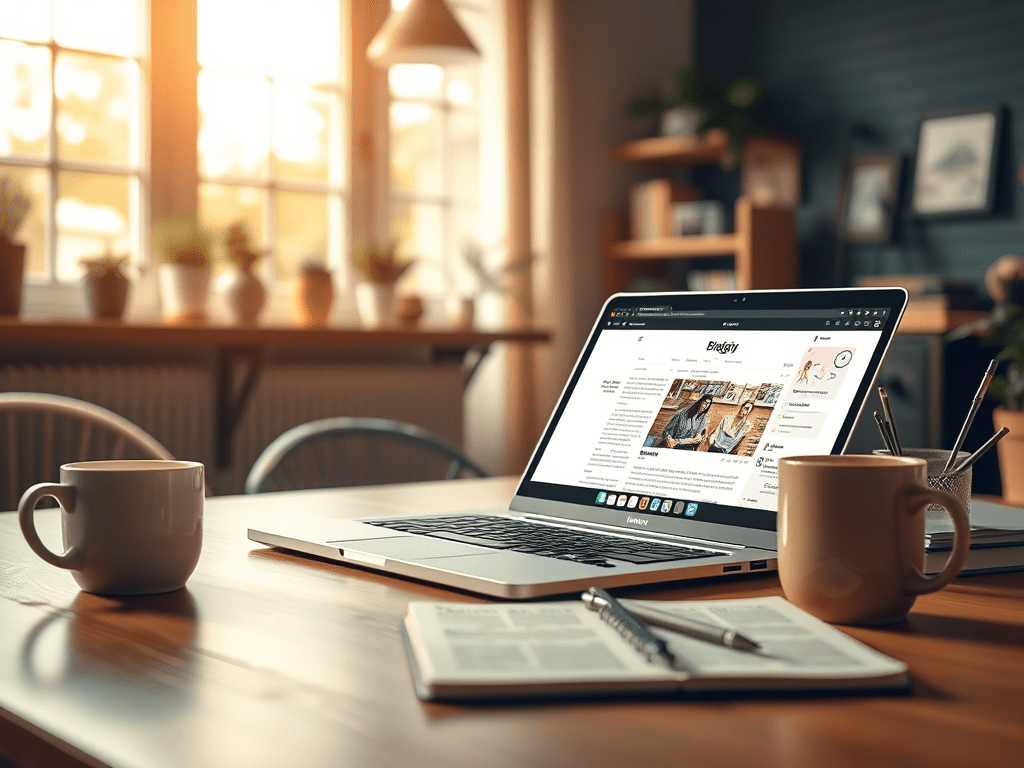
I’ve always been very curious about different methods to earn money online from home—especially creative gigs that don’t require a big upfront cost. Over the past year, I’ve tried a few of the most popular ones: blogging on WordPress, setting up a Fiverr account, and experimenting with Canva to make digital content. Some things worked, some didn’t, but every attempt taught me something valuable.

What I Learned from My Gigs: Successes and Failures

Subscribe to continue reading

Subscribe to get access to the rest of this post and other subscriber-only content.