
Subscribe to continue reading
Subscribe to get access to the rest of this post and other subscriber-only content.
Subscribe to get access to the rest of this post and other subscriber-only content.
Enjoy full access for just $22/year — or support the page with any amount to help it stay alive and growing.
Many people following the news are aware that the current administration is aggressively pursuing its agenda, which includes targeting “the enemy within,” specifically Democrats. This ongoing confrontation has created a polarized political climate, making it even more crucial for citizens to remain vigilant. It’s important not to let the Twitter feud between two female rappers distract us from demanding the release of important files that could shed light on these contentious issues. With the ongoing issues of school shootings and church attacks, it can be challenging to keep up with crucial information that is often overshadowed by propaganda and mocking tweets directed at key political figures, further complicating public discourse.
Additionally, we shouldn’t overlook the CK controversy and the resulting attacks on HBCUs across the country by his supporters, as these incidents reflect deeper societal issues that call for our attention and action. As we navigate this tumultuous landscape, it is imperative to prioritize the vital topics that affect us all and work collectively towards a more informed and engaged society.
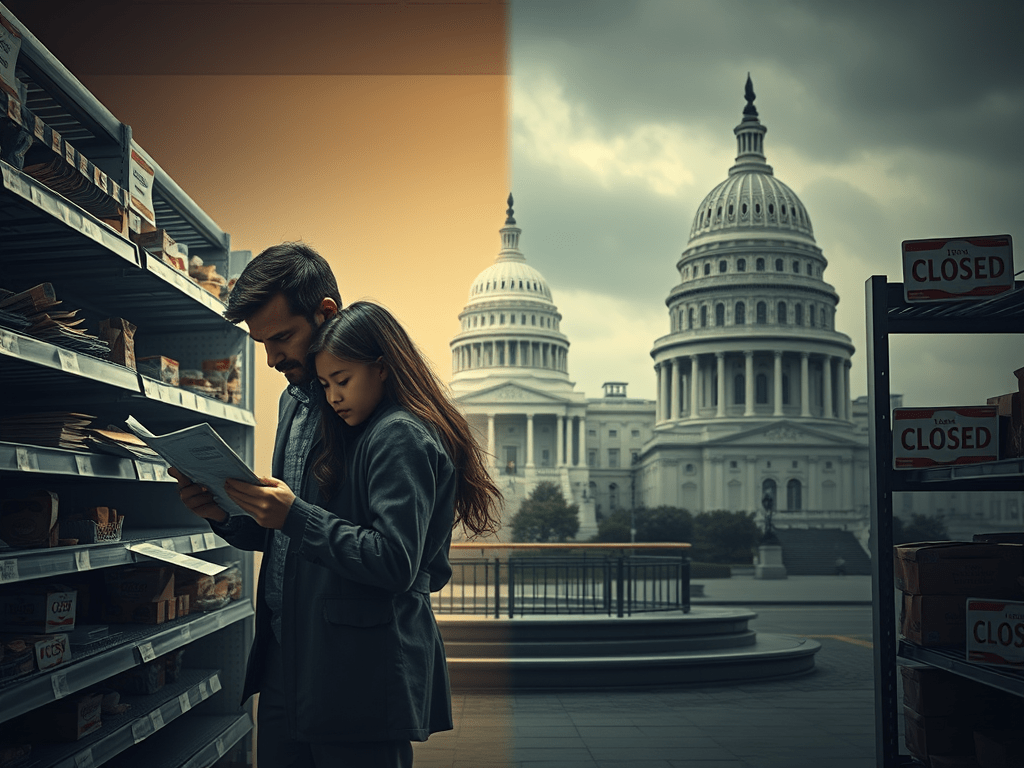
While the shutdown is in effect, many federal programs will suffer, such as WIC (which only has about a week of reserve funds left before it’s crippled) and SNAP benefits, both of which play a crucial role in supporting low-income families across the nation. These programs are vital lifelines for many households struggling to put food on the table and provide basic nutrition to their children. Since the executive order (Big Beautiful Bill) has been signed, many have already lost access to this essential service, leading to increased anxiety and uncertainty within vulnerable communities.
By early 2028, it is estimated that the program will be eradicated entirely, and millions of families will suffer as a consequence, with the blame squarely falling on the president’s shoulders. This dire situation underscores the ramifications of political decisions made at the top.
As they go on the WS news stations and blame the other side for the crisis, it becomes increasingly apparent that they have control of the majority of the Senate, and the Congress is Republican-led, leaving many to question the sincerity of their attempts to address the pressing issues facing American families.
The reality of the situation reveals a troubling disconnect between political rhetoric and the lived experiences of those who rely on these crucial assistance programs for survival.
This isn’t the first time they’ve essentially hurt the American public for their own gain. In fact, since 1976, there have been over 20 shutdowns, each one a vivid reminder of how political conflicts can disrupt the lives of everyday citizens.
The previous shutdown occurred in 2018 during Trump’s first term, clearly demonstrating a pattern of governance where partisan disagreements take precedence over the needs of the people.
Ironically, the very person who now speaks on these matters seems to conveniently forget his own previous assertions—like when he claimed that “…a Government shutdown is entirely the fault of the president… Failed to bring the people together.” I’m paraphrasing, but that’s the gist of his commentary, and it highlights a troubling tendency among politicians to shift blame while failing to take responsibility for the consequences of their actions.
The impact of these shutdowns extends beyond just government workers; families and businesses feel the ripple effects, leading to uncertainty and financial strain, thus showcasing the urgent need for leaders who will prioritize the common good over political posturing.
Longest Shutdowns
What happened: The craft retailer announced it would close all remaining U.S. stores by the end of May 2025, following its second bankruptcy filing in under a year. The chains struggled with financial difficulties and increased competition.
The parent company filed for Chapter 11 bankruptcy back in February 2025, leading to the closure of all U.S. stores. They blamed inflation, high interest rates, and competition from fast fashion retailers.
With all locations closing following bankruptcy proceedings due to inflation and shifting consumer spending habits contributed to the company’s financial struggles.
Several other retailers announced store closures throughout 2025:
Closing 66 stores in 2025 as part of a larger plan to shutter 150 locations by 2026.
On track to close 450 locations through the end of 2025, with a goal of 1,200 closures by 2027.
Closing 370 stores in 2025.
Closing several locations by mid-2025.
Closing several stores in 2025 as the retailer adjusts its focus.
`
This is just some of what I found through Google, but I also have firsthand experience living through several government shutdowns. They can be devastating for many families and individuals, leading to uncertainty and financial strain that can last for months.
Essential services may be disrupted, causing delays in federal funding for critical programs, including those that provide food assistance, healthcare, and other vital resources. While others feel little to no impact, it is important to recognize that the repercussions of these shutdowns often ripple through communities, affecting not just those who rely on government employment but also local businesses and service providers that depend on a stable economic environment.
The anxiety and stress that accompany such situations can take a toll on mental health, highlighting the need for greater awareness and preparedness when these political decisions come into play.
I honestly typed the first half of this during the first few days of the shutdown, but as I edit this today (Tuesday, October 21st), we are currently very deep into this unprecedented situation. The streets that were once bustling with life now seem eerily quiet, echoing the uncertainty that hangs in the air.
As I look around, it’s clear that the impact is felt by so many, and the anxiety has only intensified with time, not just for individuals but for families, communities, and entire industries. News reports seem to flood in daily, revealing harrowing statistics about unemployment and the plight of small businesses, each story highlighting personal struggles that reveal the human cost behind the numbers.
The way it’s looking, November will be an even more hellish month for millions of Americans, and the economy continues to falter under the weight of extended shutdowns and consumer hesitance. In this climate, I find myself wondering how we will all navigate through the challenges that lie ahead, contemplating the profound changes required to adapt to a world that feels drastically altered.
The psychological toll is heavy, leaving us questioning what the new normal will look like in the weeks and months to come, and whether we will emerge from this crisis stronger or further divided. Hope feels fragile, but it is within these moments of shared hardship that we find resilience, supporting each other through not just the trials of today but also in creating a more hopeful and unified tomorrow.
“The limits of tyrants are prescribed by the endurance of those whom they oppress.”
Frederick Douglass, speech on West India Emancipation, August 4, 1857
Disclaimer: The information in this article is for general informational purposes only and should not be construed as legal, financial, or professional advice.