The Phase Where I Kept Shrinking

I mistook endurance for strength.
Leaving that phase meant accepting that some systems only function when you stay small.

Describe a phase in life that was difficult to say goodbye to.

There was a season of my life where I mistook endurance for strength.

I tolerated crossed boundaries.

I explained myself more than necessary.

I believed that if I stayed calm enough, helpful enough, available enough — things would stabilize.

They didn’t. In fact it worsened.

That phase was difficult to say goodbye to because it was familiar.

I knew how to survive in it. I knew how to anticipate reactions. I knew how to soften my tone to prevent storms.

Leaving it meant accepting something harder than conflict:

accepting that some systems only function when you stay small.

I had to stop negotiating with dynamics that required me to disappear.

The hardest part wasn’t walking away.

It was resisting the urge to turn back and “fix” what was never mine to fix.

Now my approach is different.

If something violates my invariants, it doesn’t get a debate — it gets distance.

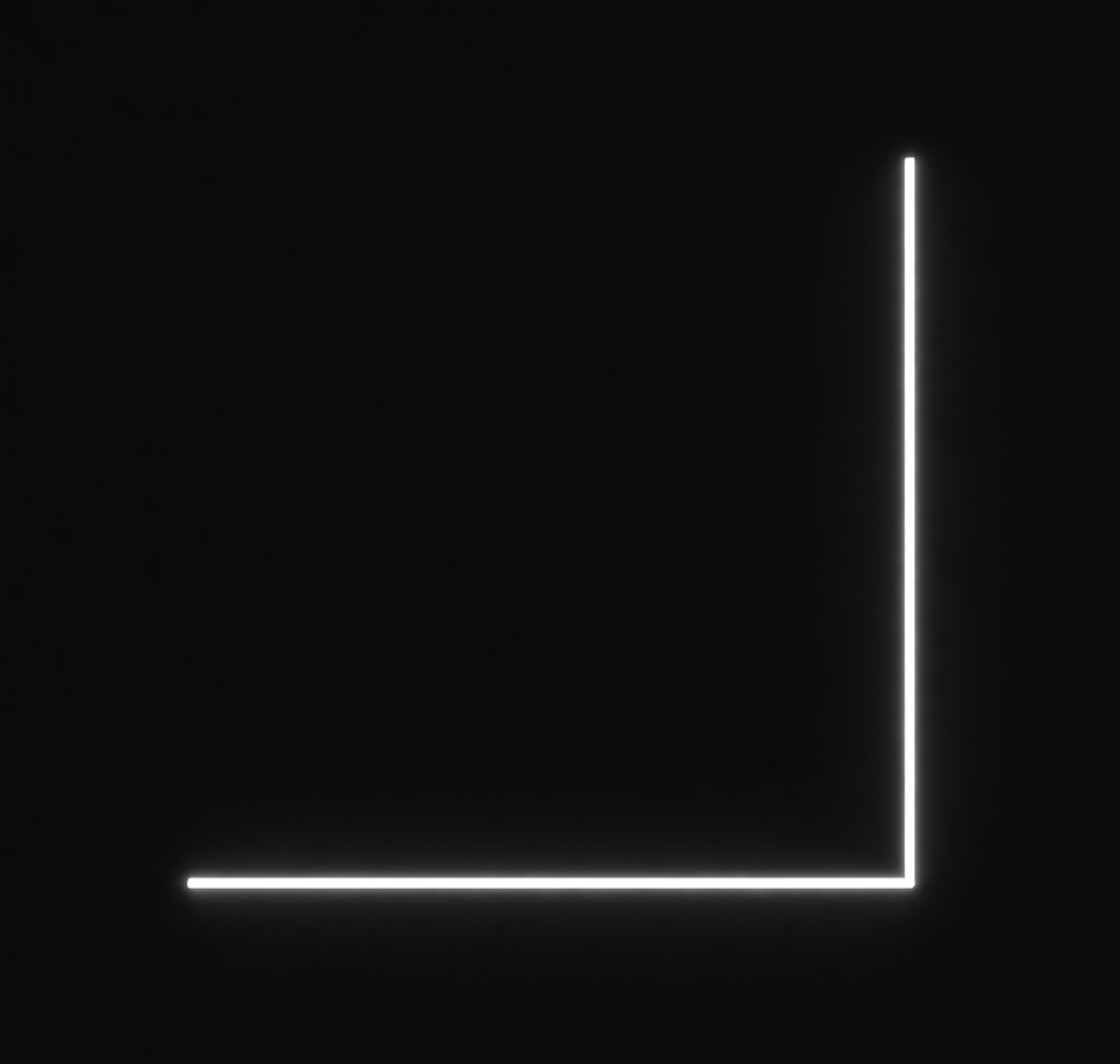
I don’t bend at curves anymore.

I pivot at right angles.

And that shift has cost me comfort

but it has given me clarity.

Lunetta is Different

If there were a biography about you, what would the title be?

Time has been unkind to many. She learned that early, watching how easily things fracture — bodies, trust, promises, entire seasons of life. Pain did not arrive as a stranger; it came as curriculum. So when it settled into her bones, she did not flinch. She studied it. Measured it. Carried it the way others carry heirlooms — heavy, but expected.

She told herself she could withstand it because she had always withstood it. That became the proof. The evidence. The myth she wrapped around her shoulders like armor.

And armor, once worn long enough, becomes indistinguishable from skin.

She moves through her days composed, deliberate. The gauntlet stays on. Fingers steady. Voice measured. Back straight even when the ache runs like a live wire beneath it. She has learned the choreography of endurance — how to nod while burning, how to produce clarity from chaos, how to keep walking when something inside her wants to kneel.

But there are moments — unannounced and unspectacular — when she lets the metal fall.

It is never dramatic. Never witnessed.

Just the quiet unfastening.

The weight slides from her forearms. Her hands tremble, not from weakness but from release. And what she has contained begins to move — not violently, but rhythmically. Waves of it. Tears first. Salt and heat. Then the deeper current — the red memory of every time she swallowed instead of screamed, every time she chose composure over collapse.

It washes through her like tide against stone.

She does not dissolve.

She does not shatter.

She lets it cleanse her.

Perhaps this is the truth she rarely names: she does not endure to appear strong. She endures because she knows she can break — and chooses not to stay broken.

When the wave recedes, she rises the same way she always does. Not lighter. Not healed. But clearer.

The gauntlet waits where she left it.

And she puts it back on — not as a shield against the world, but as a reminder:

She survived the last storm.

She will survive the next.

When available tools , fail to be useful to me

The most important invention in your lifetime is…

When available tools fail to be useful to me, I don’t assume I’m doing something wrong.

Most systems are built to be efficient, fast, or impressive.

Very few are built to hold intent.

I noticed that the thing slowing me down wasn’t lack of ability or motivation.

It was forgetting why I made earlier decisions and then questioning myself later.

So I built a small internal system that locks intent and logs decisions instead of relying on memory.

Not to be rigid.

Not to control creativity.

But so I can move forward without constantly reopening old doors.

It remembers what I meant when I was clear, so I don’t have to argue with myself when I’m tired.

That, for me, has been the most important invention of my lifetime.

The Hardest Choice

The author reflects on losing their home and possessions six years ago, prompting a need for profound change. Seeking support from church members, they began rebuilding their life, which required breaking free from toxic relationships and habits. This pivotal decision, though challenging, marked the beginning of their journey toward self-trust and renewal.

I will let you in on something: about six years ago, I lost the home I’d lived in for about two years. I lost all of my antique furniture, my children’s belongings, and all hope of ever getting back to normal. What made it significantly worse was that this wasn’t the first time I’d found myself in a similar situation. My choices had led me down a path of destruction, and I desperately needed a change.

I reached out to some church members and told my pastor what I was going through. Luckily, I was able to crash in a house as long as I helped with the renovations, which I happily did. But the truly difficult part was separating myself from the toxic patterns and self-serving people I tended to attract.

The real hardest choice wasn’t the moving or the rebuilding. It was deciding, finally, that I wasn’t going back to the same people, the same habits, or the same version of myself that wrecked my life in the first place. It meant being uncomfortable, being alone sometimes, and facing the mess I made without numbing it.

That decision to walk away from what meant me harm is the reason I’m still standing. It didn’t fix everything overnight, but it became the first real step toward becoming someone I could trust again. Losing everything wasn’t the end of my story — it was the moment my story finally changed direction.

Looking Back Without Staying There

Is there an age or year of your life you would re-live?

This question deserves a layered answer. Let’s start by exploring the weight of regret, and the longing to return to a time when we think things might have gone differently. I’ve often asked myself if I’d ever want to relive a certain year or moment—but truthfully, I wouldn’t. Every experience, even the painful ones, has shaped who I am and guided the choices that led me here.

From as far back as I can remember, my life wasn’t filled with the kind of happy or cherished memories that people often hold onto. And while I won’t go into the reasons why, I’ve come to accept that my past unfolded exactly as it needed to. Each moment, no matter how difficult, built the person standing here today. Change even one of them, and I wouldn’t be me.

So rather than clinging to old wounds or replaying what could have been, I choose to be grateful for my resilience—for the fact that I’ve made it this far. Don’t dwell on what you wish you could change; instead, honor the path that brought you here. Live in the now, and let your past become the foundation for a future that feels truly worth living.

In choosing not to dwell on what was, I’ve learned to gain from what is—and that’s how forward thinking begins.

What is your favorite form of physical exercise?

My favorite form of physical exercise isn’t tied to a gym membership — it’s built into my everyday routine. Carrying groceries up the stairs, walking everywhere because I don’t have a car, and turning chores into movements with music.

Honestly, there are days I’m too exhausted to move, but I’ve learned that when I do — even just stretching before bed and again when I wake — it keeps me mobile enough to carry that basket of laundry from the basement to the attic without breaking down.

On days I can’t walk to the store or around the block, I hop on my stationary bike, which even helps improve my dance moves in the kitchen as I cook. Basically, as long as my body is in motion, my energy levels stay up.

Two years ago, I was diagnosed with Type II diabetes — but thanks to major lifestyle changes, I’ve been off insulin for about ten months now. Life’s workout plan costs nothing and builds strength where it counts.